


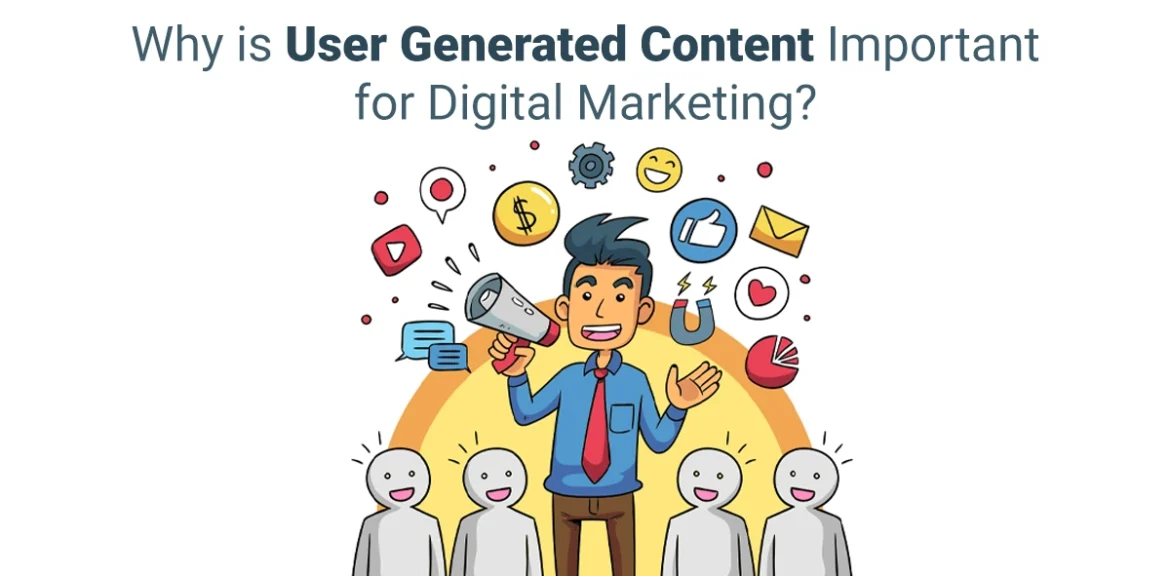
Brand advertisements no longer succeed at gaining consumer trust because people prefer to trust their friends more than any business advertisement. User generated content has become the top digital marketing asset because users now prefer to share their experiences through content creation.
Digital marketing uses UGC to show actual customer experiences, which builds trust with audiences and boosts their interest in brand content, while creating lasting value for the brand.
Companies that want to achieve sustainable growth must use UGC as their main business strategy.
See also: Content Marketing: A Step-by-Step Guide
Understanding User Generated Content (UGC Meaning)
User generated content includes all consumer-created content which exists as text, images, videos, reviews and testimonials that consumers create without brand involvement. People usually share this content through social media platforms and review websites, blogs and forums.
The UGC meaning exists as content creation, but it also demonstrates authentic customer brand experiences, brand opinions and brand perceptions. UGC functions as a trust-building tool which consumers use to assess brand authenticity because it maintains an unmarked trust relationship with consumers.
The Role of UGC in Digital Marketing
Building Authenticity and Trust
Trust serves as the essential core element which enables digital marketing to function effectively. Users develop greater trust toward content that fellow users create instead of brand-sponsored advertising content. Through customer experiences, users generate content which authenticates a brand’s claims according to their real-life experiences.
When potential customers see others using and endorsing a product, it reduces perceived risk and increases confidence in the brand.
Enhancing Brand Credibility
User generated content demonstrates that a brand has an active, engaged customer base. The combination of reviews and ratings, together with shared experiences, creates trust elements which establish brand credibility.
UGC serves as the unique element which enables brands to establish themselves as trustworthy and customer-oriented businesses within markets which face high competitive pressure.
Improving Engagement Rates
UGC content automatically achieves better audience interaction compared to standard brand advertising materials. Users prefer to express their approval through likes, comments and shares of content which their friends created, which results in better digital platform interaction.
Social media networks and search engines see higher engagement rates when users watch brand content because it leads to better audience reach, and users stay longer on their platform.
Cost-Effective Content Creation
The primary UGC marketing advantage provides operational benefits through its budget-friendly approach. Major investments of time, financial resources, and human resources become necessary for organizations to create exceptional branded content. Brands can expand their content creation capabilities through UGC because customers produce content at no cost to the business.
This makes UGC particularly valuable for startups, small businesses, and growing enterprises.
Strengthening SEO Performance
User generated content (UGC) functions as a vital element for search engine optimization (SEO) because it boosts organic search results. The combination of reviews, comments, and user-generated content brings new content to search engines, which contains valuable keywords.
The value of UGC extends to multiple benefits, which include:
- Longer time spent by users on the website
- Higher rates of users clicking through to content
- Improved relevance of the content
The combination of these elements improves a website’s ability to rank on search engines and establish trustworthiness as an authority.
User Generated Content Examples in Digital Marketing
The examples of user-generated content demonstrate how their practical application works through these specific instances.
- Customer reviews on Google, Amazon or industry-specific platforms
- Social media posts which tag a brand or use branded hashtags
- Video testimonials together with unboxing videos
- Blog comments together with forum discussions
- Case studies together with customer success stories
- User-submitted photos which brands use on their websites
The examples demonstrate how UGC functions as a fundamental component which supports brand messaging through its presence across all marketing activities.
Strategic Benefits of UGC Marketing
Influencing Purchase Decisions
People today base their buying choices on how others view them. Studies confirm that customers tend to buy products which display customer reviews, testimonial evidence and actual product usage demonstrations. Customers make purchasing decisions faster because user-generated content creates trust during essential customer interaction moments.
Humanizing the Brand
User-generated content adds a human element to digital marketing. Brands use authentic human stories to create emotional connections, which they share through polished corporate messages.
The humanization process enables brands to develop enduring customer connections which extend beyond single sales events.
Supporting Multi-Channel Marketing
UGC serves multiple functions because it can be reused in different ways across:
- Websites and landing pages
- Social media campaigns
- Email marketing
- Paid advertising
- E-commerce product pages
The ability of UGC to work across various formats makes it an essential element for digital marketing systems which need to operate together.
Encouraging Community Building
Brands create community ties when they show value for user input through their recognition programs. Customers experience brand value when their content receives recognition, which drives them to become loyal brand advocates.
How Brands Use UGC in Digital Marketing Campaigns?
The leading brands create their campaigns through user generated content by:
- Encouraging reviews and ratings post-purchase
- Running hashtag-based social media campaigns
- Showing customer stories on their official websites
- Using UGC created by social media influencers
- They use UGC in their paid advertising campaigns
The practices create authentic content that connects with target audiences on an ongoing basis.
Challenges and Considerations in UGC Marketing

User-generated content provides significant advantages to organizations, yet companies need to address specific obstacles which they face.
- Content moderation and quality control
- Legal permissions and copyright compliance
- Brand consistency and messaging alignment
Organizations need to create specific rules which define how to obtain permissions for User Generated Content usage because this process will help them control risks while they fully utilize UGC.
See also: How to Boost SEO Content Writing With AI Tools?
The Future of User-Generated Content in Digital Marketing
The importance of user-generated content will increase because consumers want clear information and genuine content. The introduction of new technologies, which include AI content curation and social commerce, will increase the importance of user-generated content for creating digital experiences.
Brands that focus on user generated content today will gain better abilities to meet changing consumer demands and digital market developments.
In Short:
User generated content has transformed brand communication by creating new ways for brands to connect with their audiences. Digital marketing now requires UGC as a fundamental element because it enhances trust and credibility while increasing engagement and improving SEO results.
The authentic experiences and peer validation which consumers desire will enable brands to use user-generated content marketing as a competitive advantage that helps them develop better customer relationships while achieving permanent online business success.
FAQ’s
User-generated content describes all content which customers or users create and distribute about a brand, product or service.
User-generated content in marketing manifests through customer product reviews, which customers post on e-commerce websites, and through social media users who tag brands and through users who share video testimonials.
UGC allows brands to display customer reviews on their websites, use social media to distribute user-generated content, and advertise through testimonials while employing UGC in their email and content marketing strategies.
The concept of UGC remains distinct from digital marketing activities. UGC constitutes a specific type of content, while digital marketing represents a wider field which encompasses SEO and social media marketing, paid advertising and content marketing. UGC serves as an essential element of digital marketing campaigns.
To begin, UGC marketing brands need to motivate customers to share their experiences through various platforms, which include reviews, hashtags, contests and feedback requests, and they must establish proper permissions and content guidelines for sharing.